
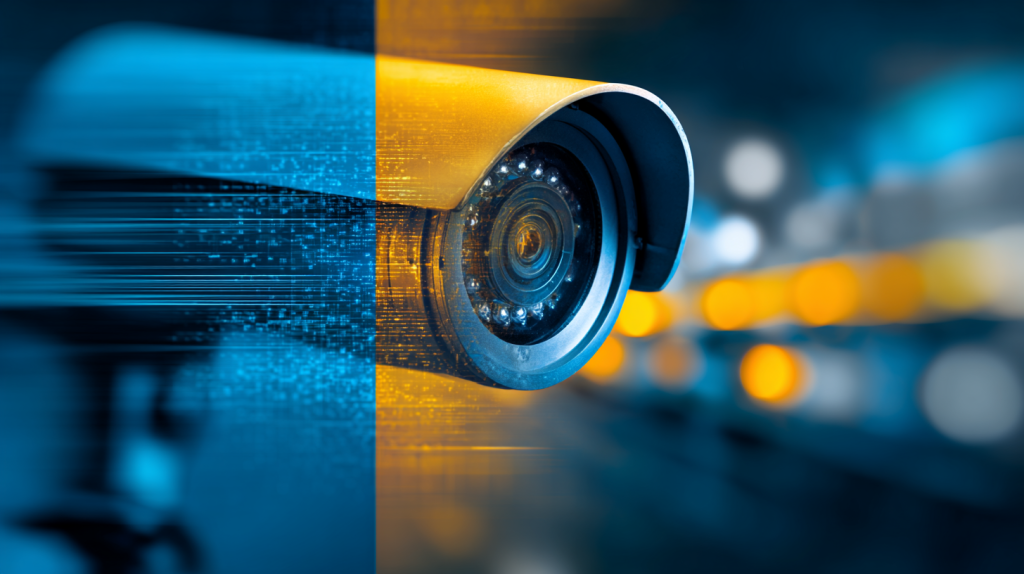
In an increasingly dynamic corporate environment, security is no longer exclusively a reactive function. Today, organizations require systems capable of anticipating risks, understanding behaviors, and generating useful intelligence for daily operations.
In this context, biometrics and video analytics are evolving from traditional surveillance tools to strategic components for decision-making, operational efficiency, and fraud prevention.
From Security to Operational Intelligence
Biometrics allows identities to be validated using unique characteristics such as the face, fingerprint, or iris. This precision reduces impersonation attempts, eliminates dependence on vulnerable credentials, and streamlines processes in critical environments.
Video analytics, meanwhile, turns cameras into intelligent sensors capable of interpreting what is happening: detecting patterns, anomalies, occupancy levels, and relevant behaviors in real time.
The convergence of both technologies—knowing who the person is, where they are, and whether their behavior is consistent with established rules—allows for a shift from a reactive model to a preventive one that is more efficient and aligned with business objectives.
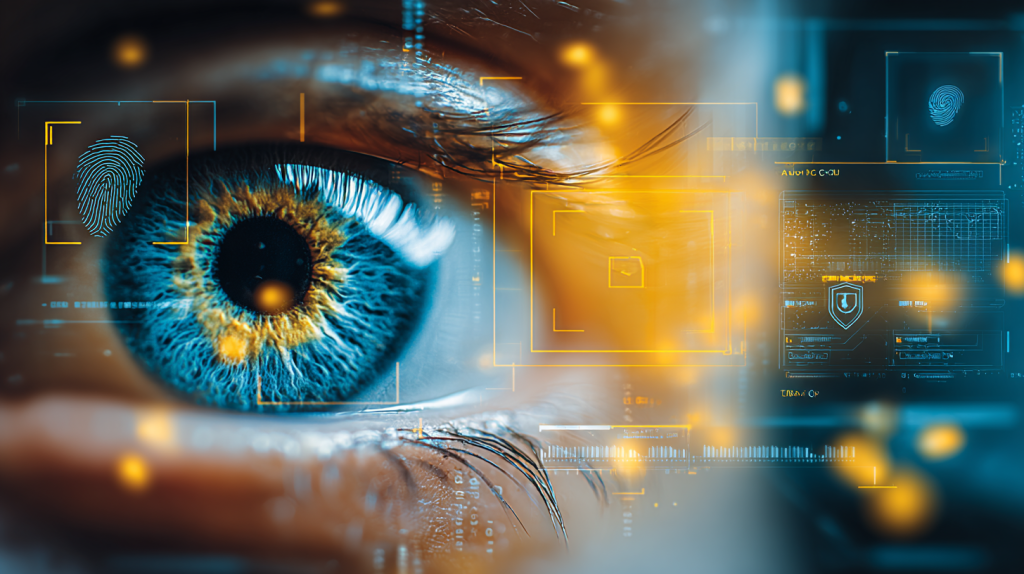
Beyond fiction: real capabilities
Movies and popular culture often depict technologies capable of identifying any individual in seconds, cross-referencing global databases, and predicting behavior with absolute accuracy. The reality is different.
Today’s technology is powerful, but it depends on data quality, available infrastructure, and a responsible design framework. It’s not digital magic: it’s applied engineering with clear metrics for usage, accuracy, and return on investment.
Fraud prevention and robust authentication
In sectors such as financial services, digital banking, and high-value transactions, biometrics combined with multi-factor authentication (biometrics + device + behavior) significantly increases the level of certainty in sensitive transactions.
Its benefits include:
- Reduction of identity theft
- Prevention of fraudulent account openings
- Secure authorization without vulnerable passwords
- Real-time detection of atypical behavior
The goal is not only to validate the user’s identity, but also to confirm that the transaction performed is consistent with their historical behavior profile.

Its benefits include:
- Reduction of identity theft
- Prevention of fraudulent account openings
- Secure authorization without vulnerable passwords
- Real-time detection of atypical behavior
The goal is not only to validate the user’s identity, but also to confirm that the transaction performed is consistent with their historical behavior profile.
Tangible impact on the business
Strategically implemented, these technologies bring direct benefits to the operation, such as:
- Reduction of operational risks
- Automation of critical decisions
- Optimization of resource use
- Robust traceability for auditing and compliance
- Transformation of security into operational intelligence
Conclusion
Biometrics and video analytics are no longer a futuristic promise: they are mature tools that, when well integrated, strengthen prevention, reduce fraud, and generate strategic information for smarter management.
The key is to implement them with discretion, realism, and a clear focus on the business. That is the difference between having cameras… and having intelligence.
Omar Garza
Lead Partner Biometrics and Video Analitycs